
When it comes to off-roading, your vehicle’s suspension can make or break your experience. Whether you’re crawling over rocks, navigating muddy trails, or blasting across desert terrain, the right setup matters. But with so many options out there, it’s easy to get overwhelmed. Here’s a straightforward guide to help you figure out what kind of suspension suits your off-road goals.
Start With Your Off-Road Style
First things first: what kind of off-roading do you actually want to do?
If you’re into slow, technical rock crawling, you’ll want a suspension that provides lots of articulation and durability. For high-speed desert runs, you’ll need something that can soak up big hits and keep your tires on the ground. If you’re aiming for a mix of everything, you’ll want a balanced setup that does a bit of both without excelling only in one area.
Understanding your driving style and terrain is key. Don’t buy what looks cool on Instagram unless it actually fits how and where you drive.
Know the Basic Suspension Types
There are two main suspension types for off-road rigs: solid axle and independent suspension.
Solid axle systems (often found on Jeeps and older 4x4s) are known for durability and great articulation. They’re simple, tough, and time-tested for rugged trails.
Independent front suspension (IFS) offers better handling and comfort on moderate trails and daily driving. It doesn’t articulate like a solid axle, but it can handle higher speeds and uneven ground with more stability.
Both have pros and cons. Solid axles shine on slow technical trails. IFS is great for faster, more varied terrain. Some vehicles mix both: solid in the rear, IFS up front.
Lift Kits: More Than Just Looks
A lift kit gives you more ground clearance and room for bigger tires, but it’s not just about height. Suspension lift kits replace critical parts like shocks, springs, and control arms to improve performance.
There are two main categories: body lifts and suspension lifts. A body lift raises the body off the frame, giving you clearance without changing suspension geometry. It’s cheaper, but doesn’t improve performance. A suspension lift actually lifts the frame and gives more articulation and travel. It’s more complex and expensive but worth it if you’re serious about off-roading.
Don’t Ignore Shocks and Springs
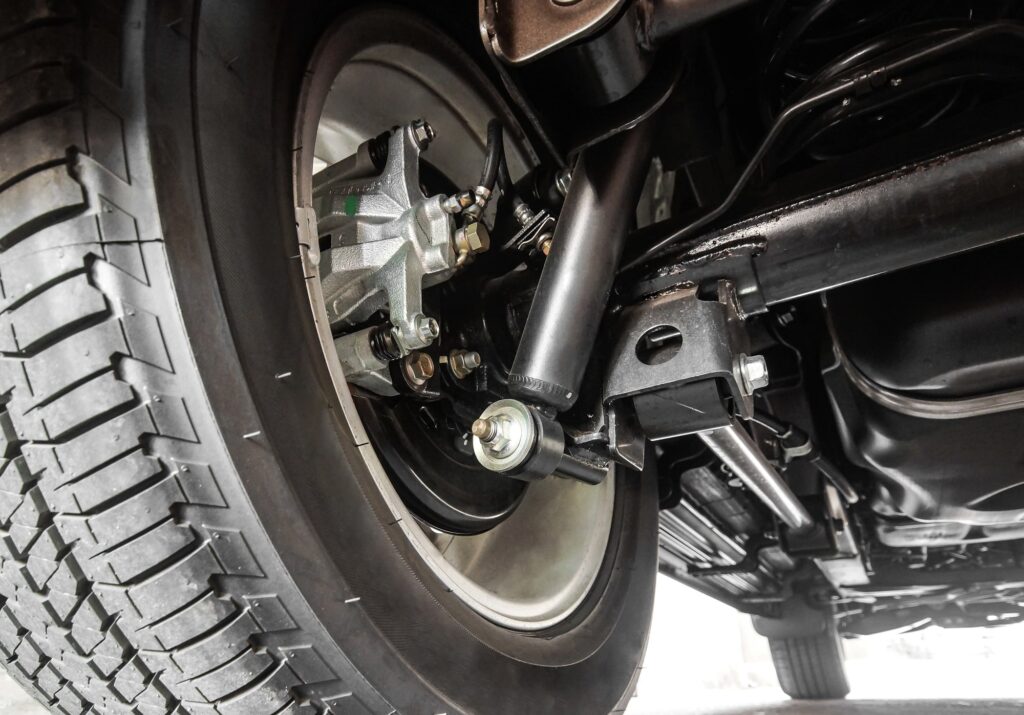
Shocks and springs are the heart of your suspension setup. Get quality shocks that match your terrain. Monotube shocks are great for performance and heat dissipation. Remote reservoir shocks handle rough terrain and extended use without fading.
Spring rates matter too. Too stiff and your ride will feel harsh. Too soft and you’ll bottom out. Find a spring setup that balances comfort and control.
Budget vs. Quality
You don’t have to go all-in from day one, but cheap suspension parts often cost more in the long run. Think of it as an investment. Get something reliable that fits your current needs, and build from there.
Choosing the right suspension isn’t about buying the most expensive parts. It’s about matching your gear to your driving style and being honest about how hard you plan to push your rig. Get that part right, and you’ll enjoy the trail a whole lot more.
Get Your Dream Truck with Professional Customization from Trick Trucks!
If you’re ready to explore the exciting world of truck customization, contact Trick Trucks today at 1 (866) 60-TRICK (87425). Our team of experts will guide you through the customization process, helping you transform your truck into the ultimate expression of your style and passion. Don’t wait any longer—call us today and unleash the true potential of your truck!