
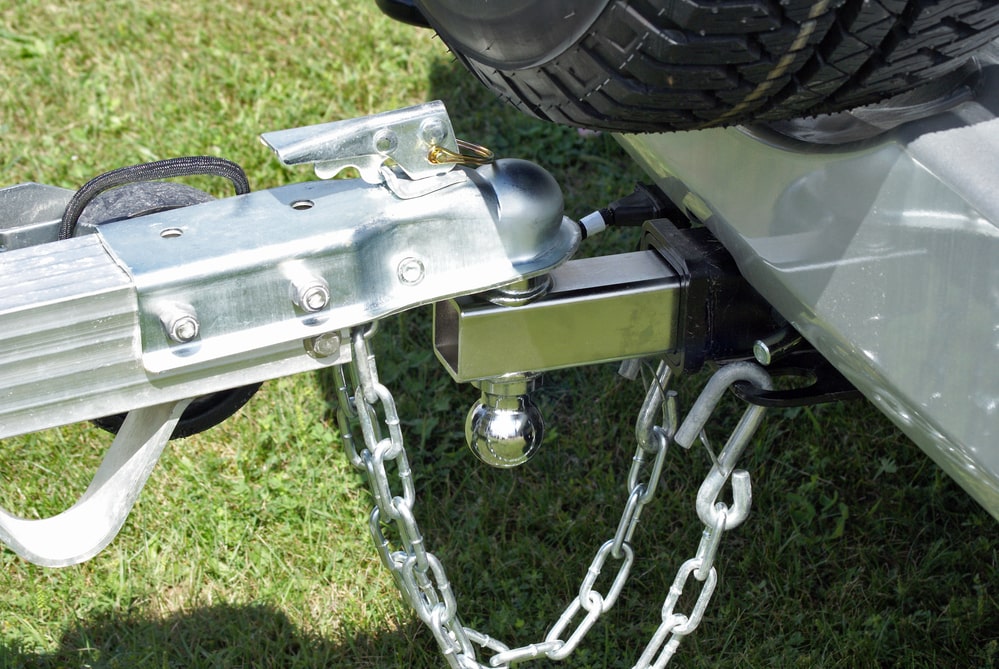
Picking the right hitch for your truck is an important decision that can affect the performance and safety of your vehicle. Hitch selection is not a one-size-fits-all proposition, and the right hitch for your truck will depend on factors such as the type of trailer you plan to tow, the weight of the trailer, and the capabilities of your truck. In this article, we will discuss how to pick the right hitch for your truck.
The First Step
The first step in choosing a hitch for your truck is to determine the towing capacity of your vehicle. The towing capacity is the maximum weight that your truck can safely tow, and it is determined by factors such as engine size, transmission, and suspension. You can find the towing capacity of your truck in the owner’s manual or by contacting the manufacturer. It is important to choose a hitch that is rated for at least the same weight as your truck’s towing capacity, or you may risk damaging your truck or causing an accident.
Types of Hitches
Next, you will need to consider the type of trailer you plan to tow. Different hitches are designed for different types of trailers, and it is important to choose a hitch that is compatible with your trailer. The most common types of hitches are:
- Ball hitches: These are the most common type of hitch, and they are used for trailers with a coupler that mates with a ball mounted on the hitch. Ball hitches are available in different sizes, and the size of the hitch should match the size of the ball on your trailer.
- Pintle hitches: These hitches are used for heavy-duty trailers that have a pintle eye instead of a coupler. Pintle hitches provide a stronger connection than ball hitches, but they are not as common and may not be compatible with all trailers.
- Fifth-wheel hitches: These hitches are used for large trailers, such as campers or horse trailers. Fifth-wheel hitches are mounted in the bed of the truck and provide a strong, stable connection to the trailer. They are not compatible with all trucks, so it is important to check the compatibility before purchasing.
- Gooseneck hitches: These hitches are similar to fifth-wheel hitches, but they are mounted in the center of the truck bed instead of the back. Gooseneck hitches are typically used for large trailers, but they are not as common as fifth-wheel hitches.
Once you have determined the towing capacity of your truck and the type of trailer you will be towing, you can start looking at specific hitch models. When choosing a hitch, consider factors such as the weight rating, the type of mounting system (bolt-on or hitch ball), and the construction materials. It is also a good idea to read reviews from other customers to get a sense of the quality and reliability of the hitch.
Installation and Final Thoughts
Finally, consider the installation process. Some hitches are relatively easy to install, while others may require professional installation. If you are not comfortable installing the hitch yourself, it is a good idea to hire a professional to do the installation. This will ensure that the hitch is installed correctly and safely, and it will provide peace of mind that the hitch is ready to handle the weight of your trailer.
Overall, choosing the right hitch for your truck is an important decision that can affect the performance and safety of your vehicle. By determining the towing capacity of your truck, considering the type of trailer you will be towing, and carefully researching different hitch models, you can pick the right hitch for your truck and ensure that your towing experience is safe and successful. If you have any questions about hitches or any other part of your vehicle, give the vehicle experts at Trick Trucks a call at 1 866 60-TRICK (87425) or just fill out the form on our website.