
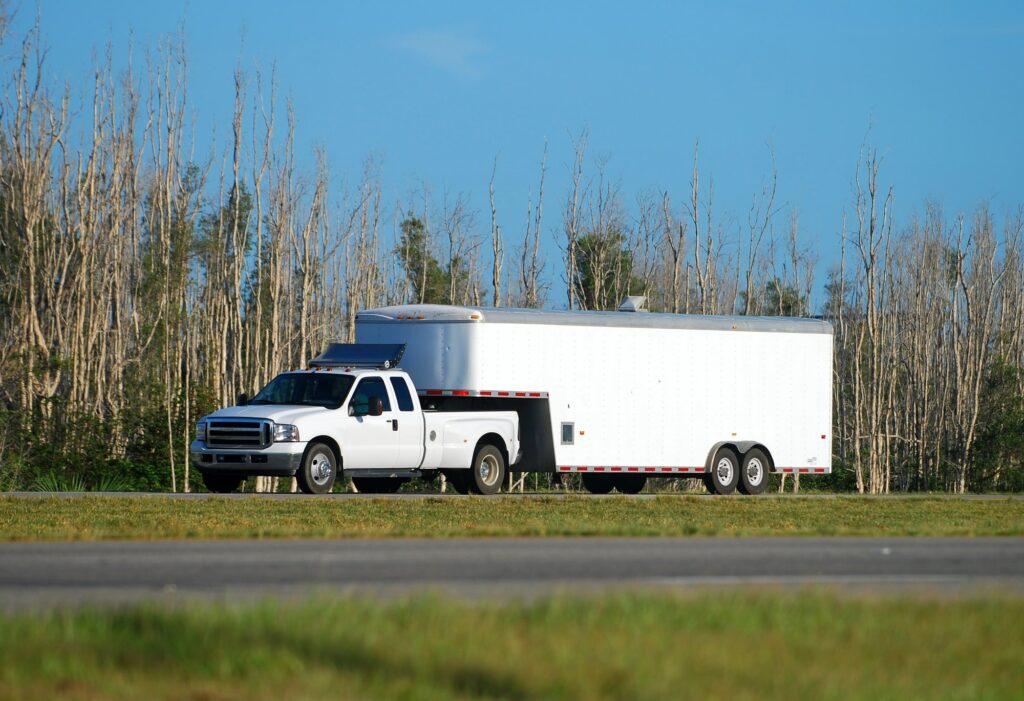
Equipping your vehicle with the right trailer hitch is the cornerstone of safe and enjoyable towing. But with an array of hitches available, selecting the ideal one can be bewildering.
This guide demystifies the process by exploring the crucial factors to consider when choosing a trailer hitch for your car or truck.
Understanding Towing Capacity: The Bedrock of Safe Hauling
Before diving into hitch options, you’ll need to know your vehicle’s towing capacity. This figure, specified in your owner’s manual or on a sticker inside the driver’s door jamb, represents the maximum weight your vehicle can safely tow. Exceeding this capacity can lead to severe consequences, including brake failure, suspension damage, and compromised vehicle handling.
- Locating Your Vehicle’s Towing Capacity: Consult your owner’s manual or search online for your vehicle’s specific towing capacity.
- Considering Tongue Weight and Trailer Weight: Remember, it’s not just about the overall trailer weight. The tongue weight, which is the downward pressure exerted by the trailer on the hitch, also plays a crucial role. Factor in the combined weight of the trailer and its cargo to ensure it falls within your vehicle’s towing capacity.
Hitch Class: Selecting the Perfect Match
Trailer hitches are classified into five categories based on their towing capacity. Selecting the appropriate class ensures your hitch can handle the weight you intend to haul.
- Class I: Light-Duty Hauling for Compact Vehicles: Designed for minimal loads, Class I hitches are ideal for small trailers, bike racks, or cargo carriers. Their towing capacity typically ranges from 1,000 to 2,000 pounds.
- Class II: Accommodating Mid-Size Needs: A step up from Class I, Class II hitches are suitable for towing utility trailers, small boats, or snowmobiles. Their capacity ranges from 3,500 to 4,500 pounds.
- Class III: The Versatile Option for Everyday Towing: Offering a balance between capacity and everyday usability, Class III hitches are popular choices for SUVs and mid-size trucks. They can handle trailers, campers, and boats up to 5,000 to 8,000 pounds.
- Class IV & V: Heavy-Duty Hitches for Substantial Loads: Class IV and V hitches are built for serious hauling. They are commonly found on heavy-duty trucks and can tow large trailers, equipment, or livestock trailers, with capacities exceeding 10,000 pounds.
Unveiling the Hitch Receiver
The trailer hitch receiver provides the connection point between your vehicle and the trailer. It’s a square-shaped tube at the end of the hitch that accepts various hitch-mounted accessories. Here’s what to consider regarding the receiver:
- Square Receiver Tube Sizes: Trailer hitch receivers come in different sizes, with Class I and II typically using a 1.25-inch receiver, while Class III and above utilize larger 2-inch receivers.
- Compatibility with Hitch Accessories: The receiver tube size determines the compatibility of hitch-mounted accessories like ball mounts, cargo carriers, or bike racks. Ensure your chosen hitch has a receiver size that aligns with your intended accessories.
Bolt-On or Welded?
Trailer hitches come in two primary installation styles: bolt-on and welded.
- The Convenience of Bolt-On Hitches: Bolt-on hitches are popular for their ease of installation. They can often be installed at home with basic tools and minimal mechanical knowledge. However, their downside is that they might not be as robust as welded hitches, especially for heavy-duty applications.
- The Strength of Welded Hitches: Welded hitches offer unparalleled strength and towing capacity. Since they are permanently affixed to the vehicle’s frame, they are ideal for frequent towing or hauling substantial loads. Installation typically requires professional welding expertise.
Optimizing Your Towing Experience
While selecting the right hitch class and receiver size are crucial, here are some additional factors to consider for a seamless towing experience:
- Weight Distribution Hitches for Enhanced Stability: For heavier trailers, a weight distribution hitch can significantly improve stability and handling. It helps distribute the trailer’s tongue weight more evenly across the vehicle’s axles, enhancing control and reducing strain on the tow vehicle.
- Trailer Hitch Features for Added Convenience: Several hitches offer features that improve convenience. Look for options with hitch pin holes that allow for the use of a locking hitch pin to deter theft or hitches with integrated wiring harnesses that simplify trailer light connection.
Call Trick Trucks Today for All Your Hitch and Towing Needs
Have questions about hitching cargo to your vehicle, but not sure where to start? Trick Trucks can help. With over 40 years of experience, we have the skills and expertise necessary to outfit your vehicle with tow hooks, hitches, and more.
Trick Trucks offers a wide range of other customization services too, including lift kits, wheels and tires, performance upgrades, and custom paint jobs. Our experienced mechanics and technicians will work with you to get your vehicle outfitted properly. To schedule a consultation with our team of experienced technicians, give us a call today at 1 (866) 60-TRICK (87425)!